
- …
- Yak
- Quests
- Sierra Peaks Section
- Castle Peak
9,093 ft · Sierra Nevada, California
Castle Peak
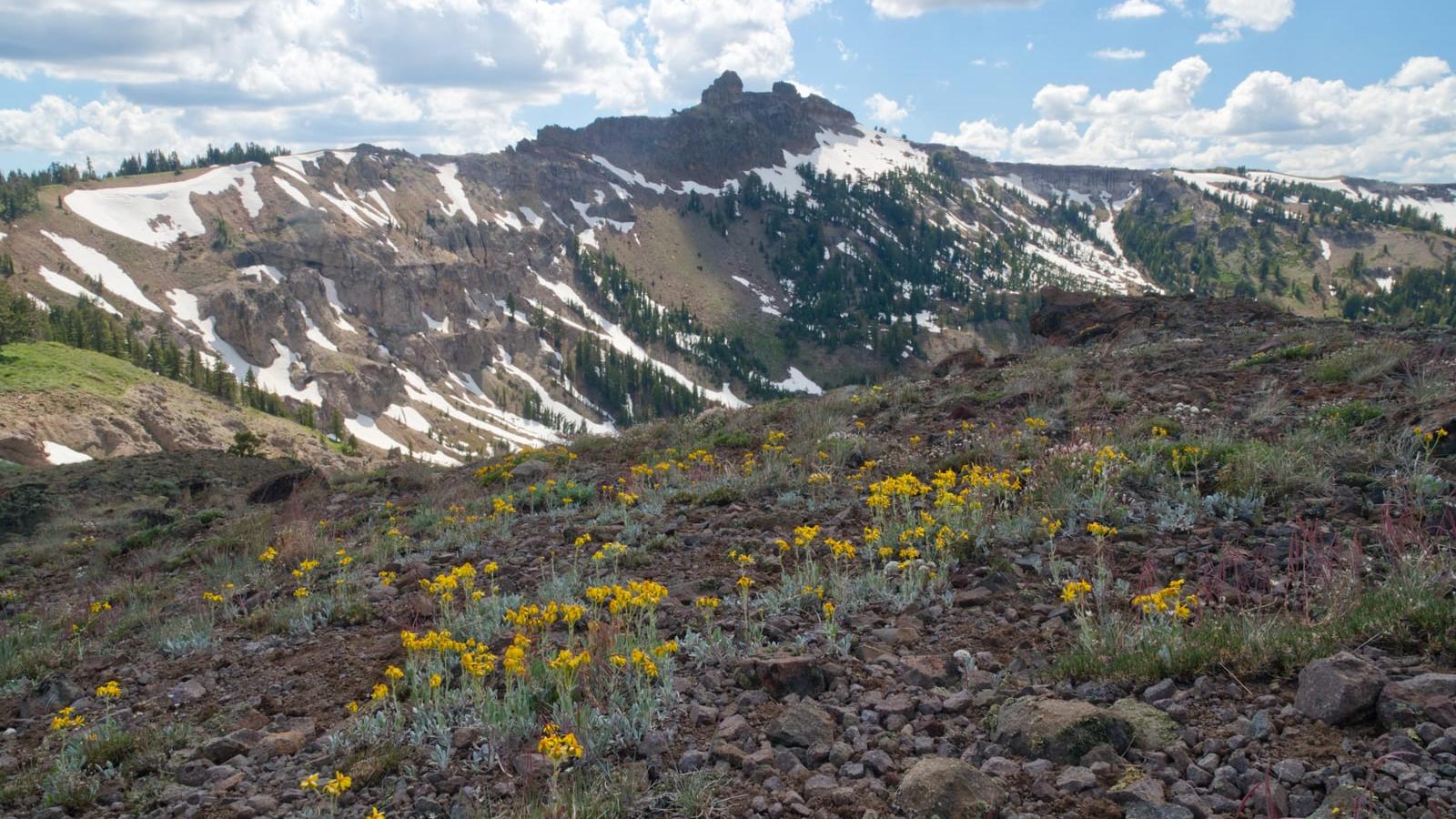
Castle Peak is a 9,093 ft peak in the Sierra Nevada, California. The standard route is the Castle Pass and East Turret: 8 mi, 2,595 ft of gain, Class 3.
Castle Peak at a glance
- Elevation9,093 ft2,771 m
- RouteCastle Pass and East TurretClass 3
- Distance8 mi2,595 ft gain
- Time7 – 9 hrsHard effort
- SeasonJun – Oct
- RangeSierra NevadaCalifornia
Climbing the Castle Pass and East Turret
From Truckee, take Interstate 80 west to the Castle Peak/Boreal Ridge exit and park along the paved road north of the freeway. Walk the dirt road and trail north to Castle Pass, then climb the steep, loose ridge east to the west turret. Most hikers stop there. The true summit is the east turret, reached by dropping along the south side and scrambling a short, exposed Class 3 face on solid volcanic rock. Expect crowds on summer weekends and strong wind on the ridge. Basin Peak and Andesite Peak are easy add-ons from Castle Pass.
Gear and hazards
What to bring
 Backpack (30–40 L)
 Hiking Boots
 Water
 Offline Maps
 Headlamp
 Satellite Communicator
 Whistle
 Sunglasses
 Sunscreen
 Sun Hat
 Midlayer
 Insulated Jacket
 Hardshell Jacket
 Warm Hat
 Buff
 Midweight Gloves
 Trekking Poles
 GPS Device
 Power Bank
 Water Filter
 First-Aid Kit
 Emergency Bivy
 Helmet
What to watch for
- Steep exposure
- Loose rock
- High winds
- Storms
Quests with Castle Peak
 Sierra Peaks Section
Frequently asked questions
How tall is Castle Peak?
Castle Peak is 9,093 feet (2,771 m) tall. It is in the Sierra Nevada, California.
How hard is it to climb Castle Peak?
The Castle Pass and East Turret is Class 3, which means scrambling, where you use your hands to climb and a fall could be serious. Yak rates the overall effort hard: 8 miles with 2,595 feet of elevation gain.
How long does it take to climb Castle Peak?
Most people take 7 – 9 hours round trip on the Castle Pass and East Turret, covering 8 miles with 2,595 feet of elevation gain, so most people do it in a day.
Is Castle Peak dangerous to climb?
It has real risks: exposed sections where a fall would be serious, rockfall from loose rock and fast-changing weather. Go with an experienced partner, wear a helmet, test holds before you trust them and turn back if the rock is wet or icy.
Do you need a helmet for Castle Peak?
It is a good idea. Loose rock and rockfall are common on the Castle Pass and East Turret, so a helmet is on the gear list.
When is the best time to climb Castle Peak?
The usual climbing window is June to October. Outside it, expect snow, storms or closed access, and check the summit forecast before you go.
Climb Castle Peak with Yak
Plan your route on a topo map, check the summit forecast, then log your climb and see what is left on your list