
12 peaks
Cascade Volcanoes
What are the Cascade Volcanoes?
The Cascade Volcanoes form a chain more than 700 miles long, created by the Cascadia subduction zone off the Pacific coast. The arc contains nearly 20 major volcanoes among thousands of smaller vents. There is no single authoritative climbing list, so the count varies. Most lists include the large stratovolcanoes such as Mount Rainier, Mount Adams, Mount Hood, Mount Shasta and Lassen Peak, and some add lower or Canadian peaks like Mount Garibaldi. Mount Rainier is the highest at 14,411 feet. Mount St. Helens and Lassen Peak are the only two to have erupted in the 20th century.
Cascade Volcanoes list
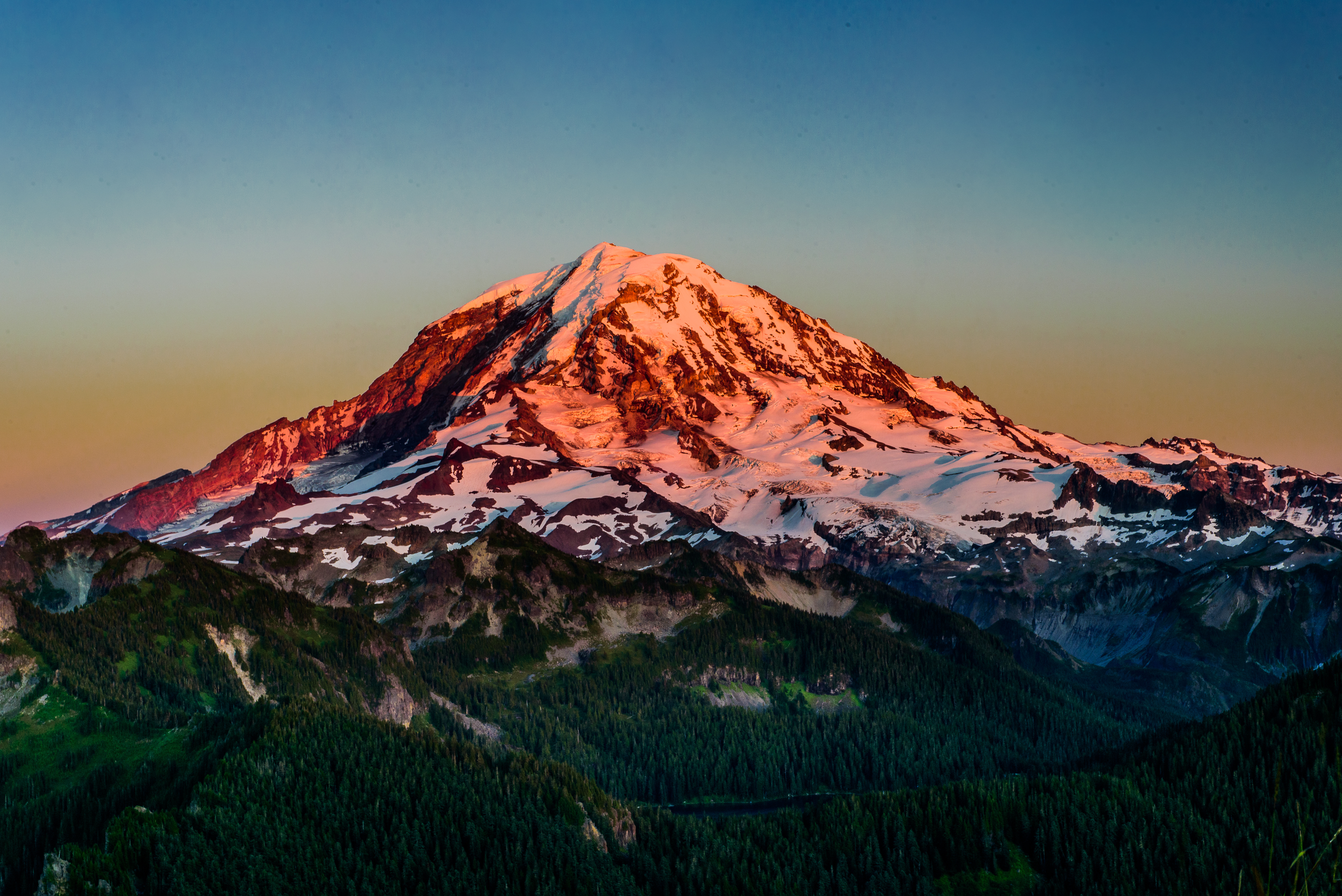
Mount Rainier
14,411 ft · Washington
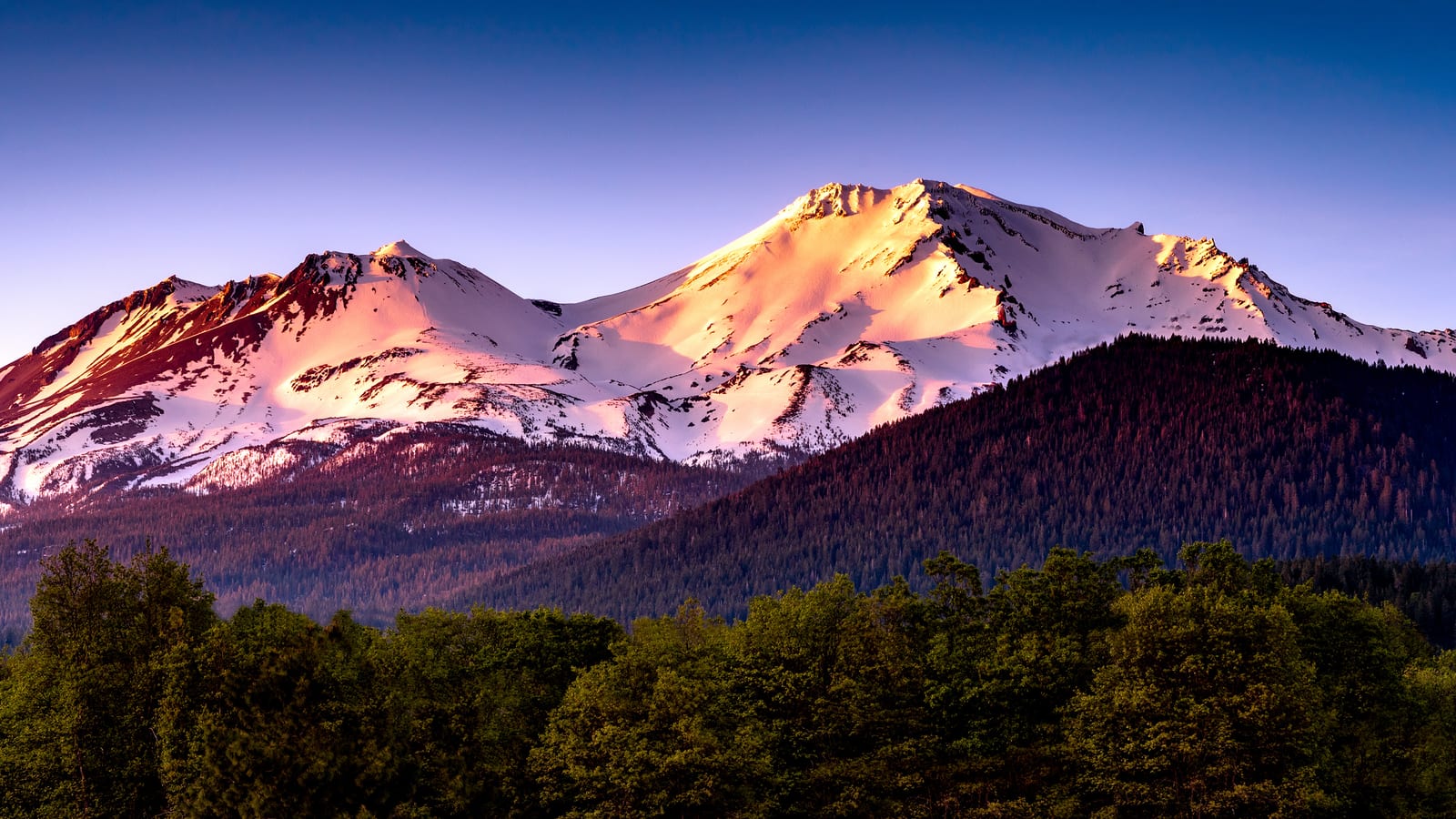
Mount Shasta
14,179 ft · California
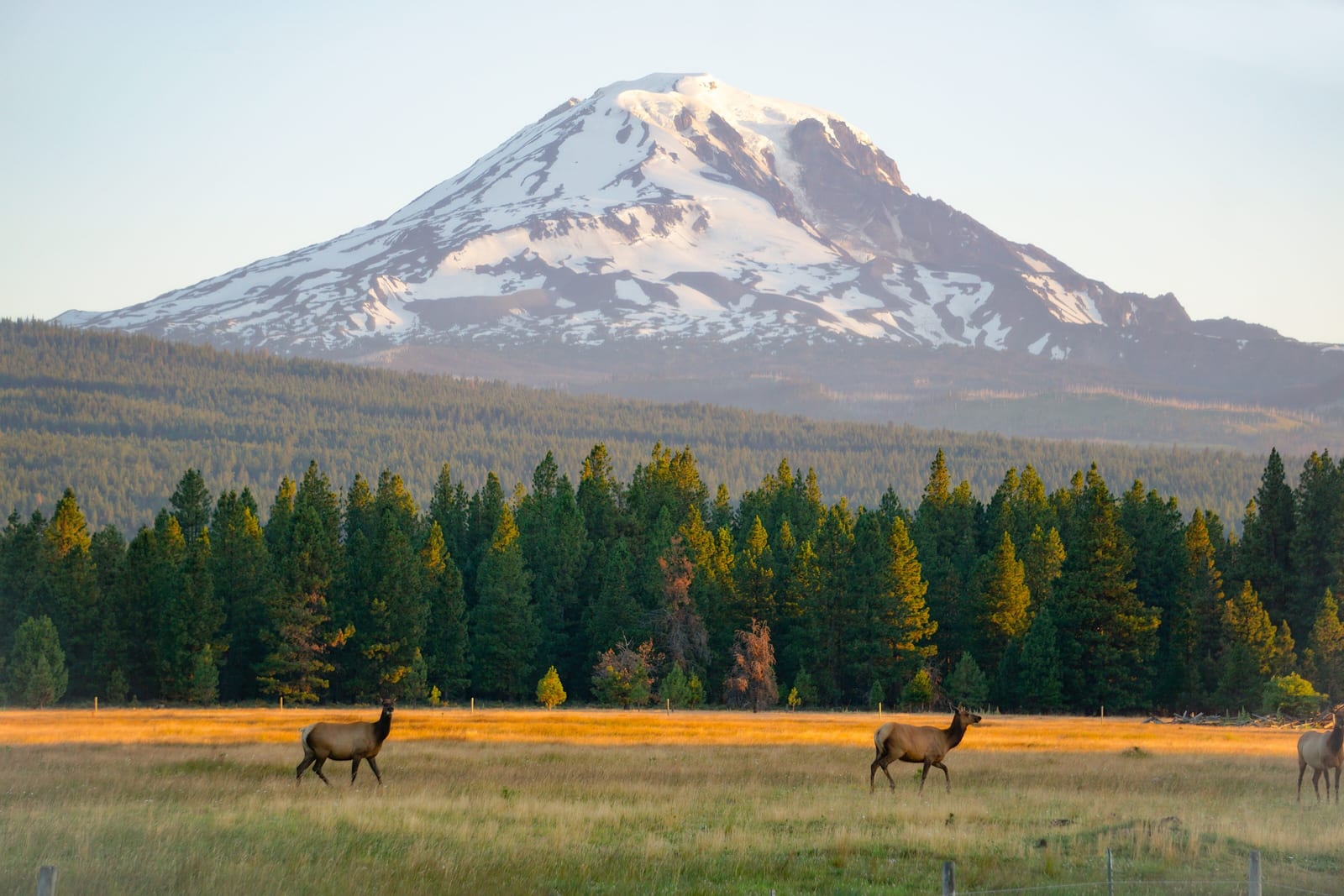
Mount Adams
12,281 ft · Washington
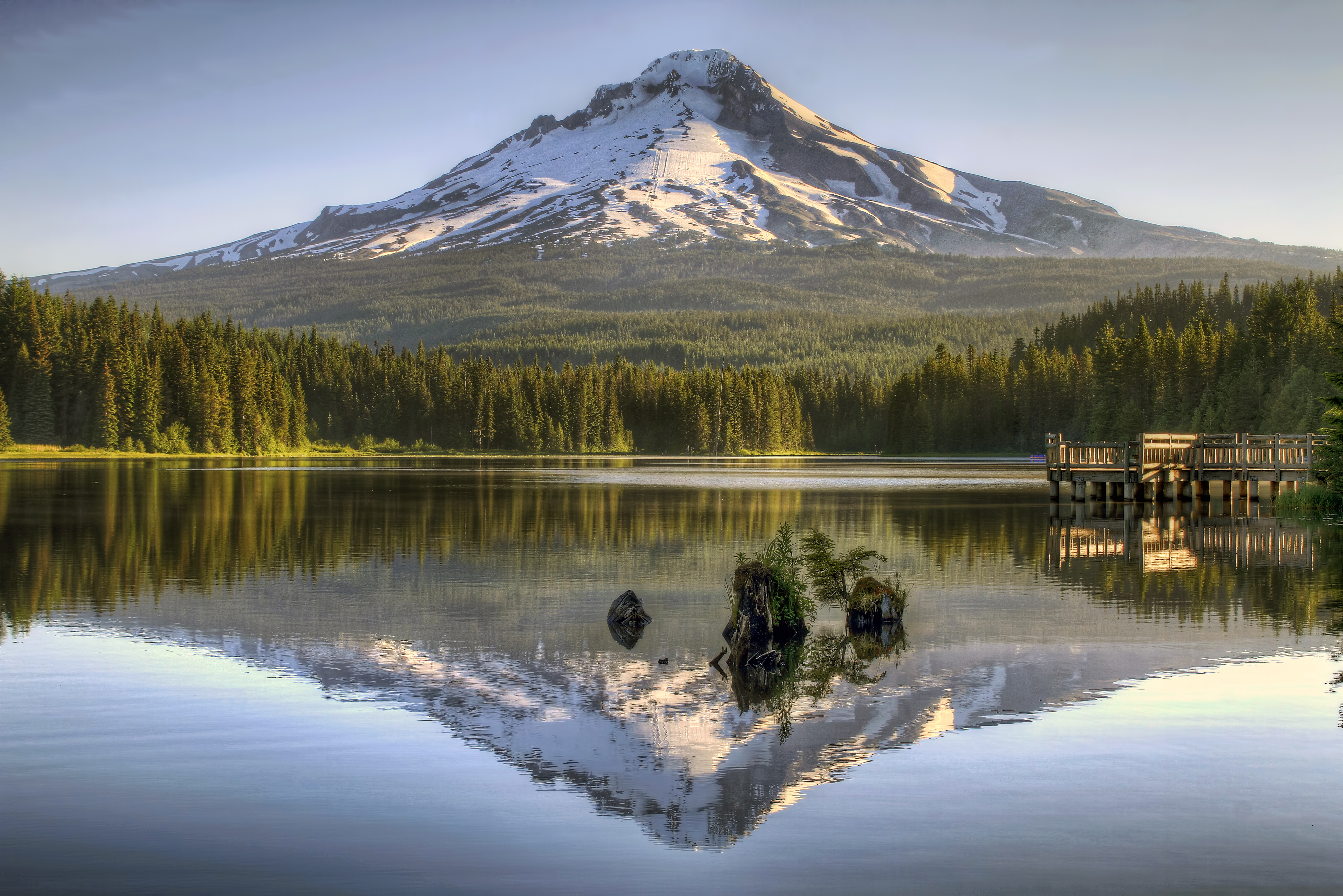
Mount Hood
11,249 ft · Oregon
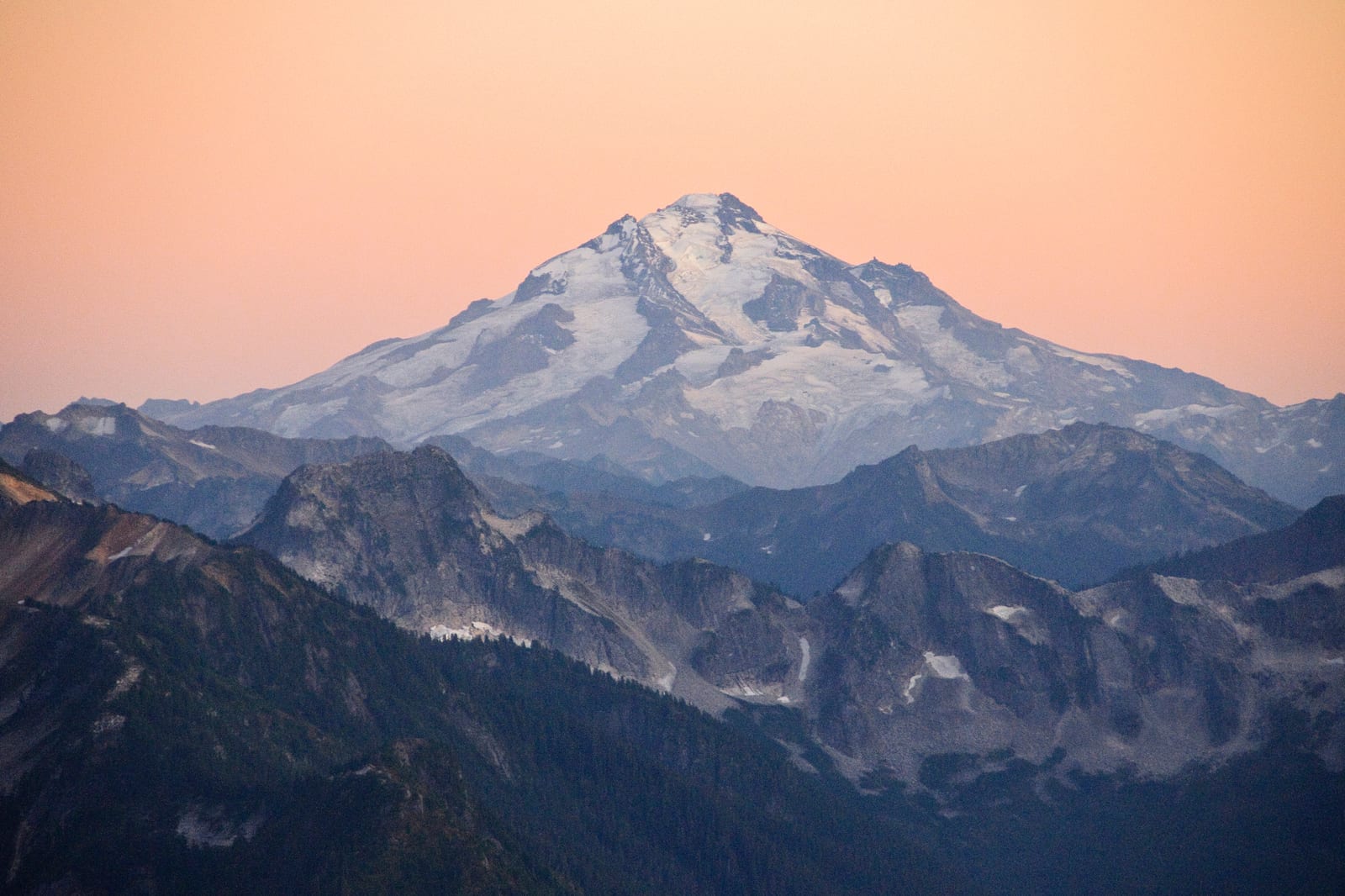
Mount Baker
10,781 ft · Washington
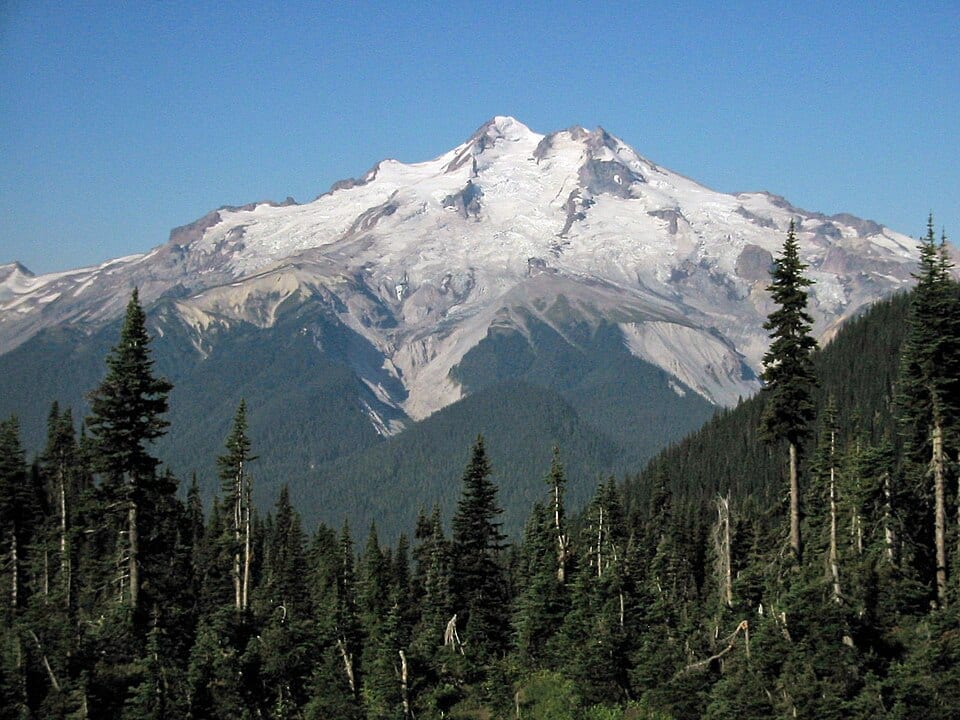
Glacier Peak
10,541 ft · Washington
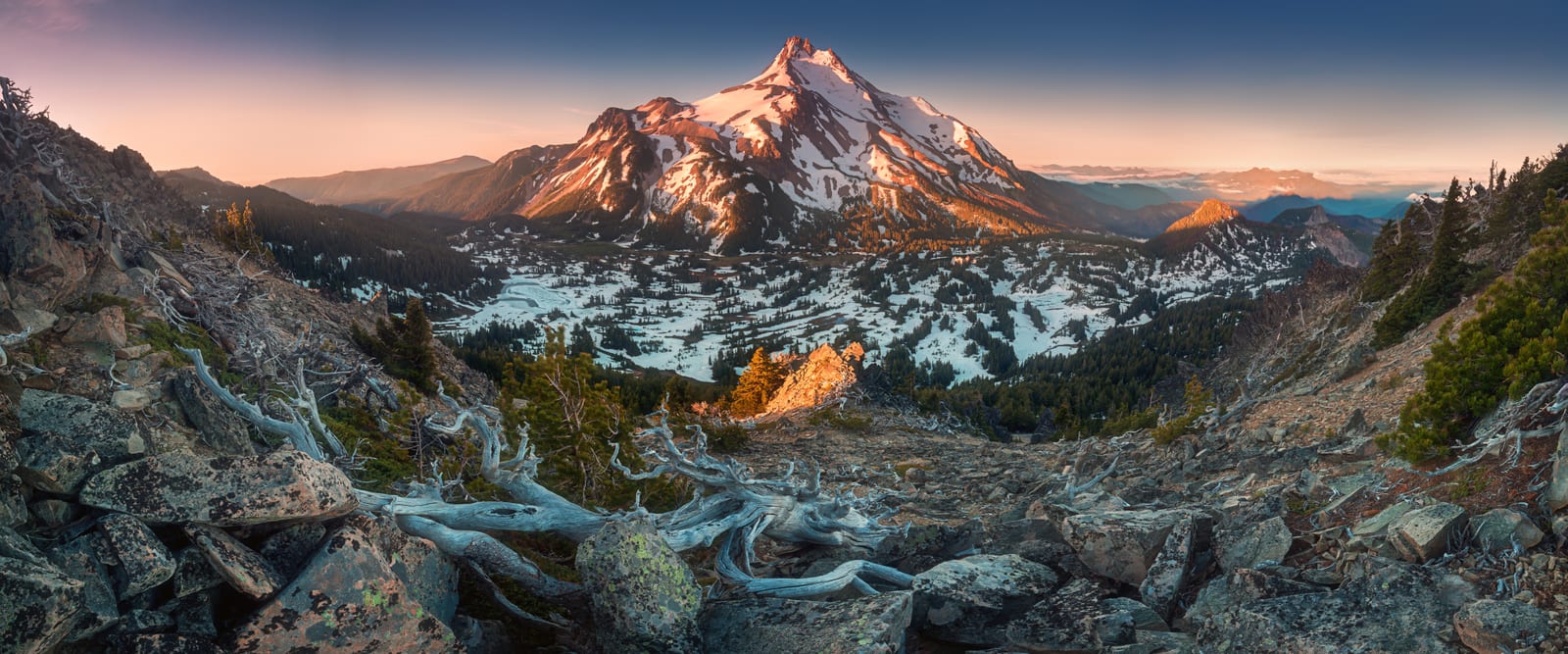
Mount Jefferson
10,497 ft · Oregon
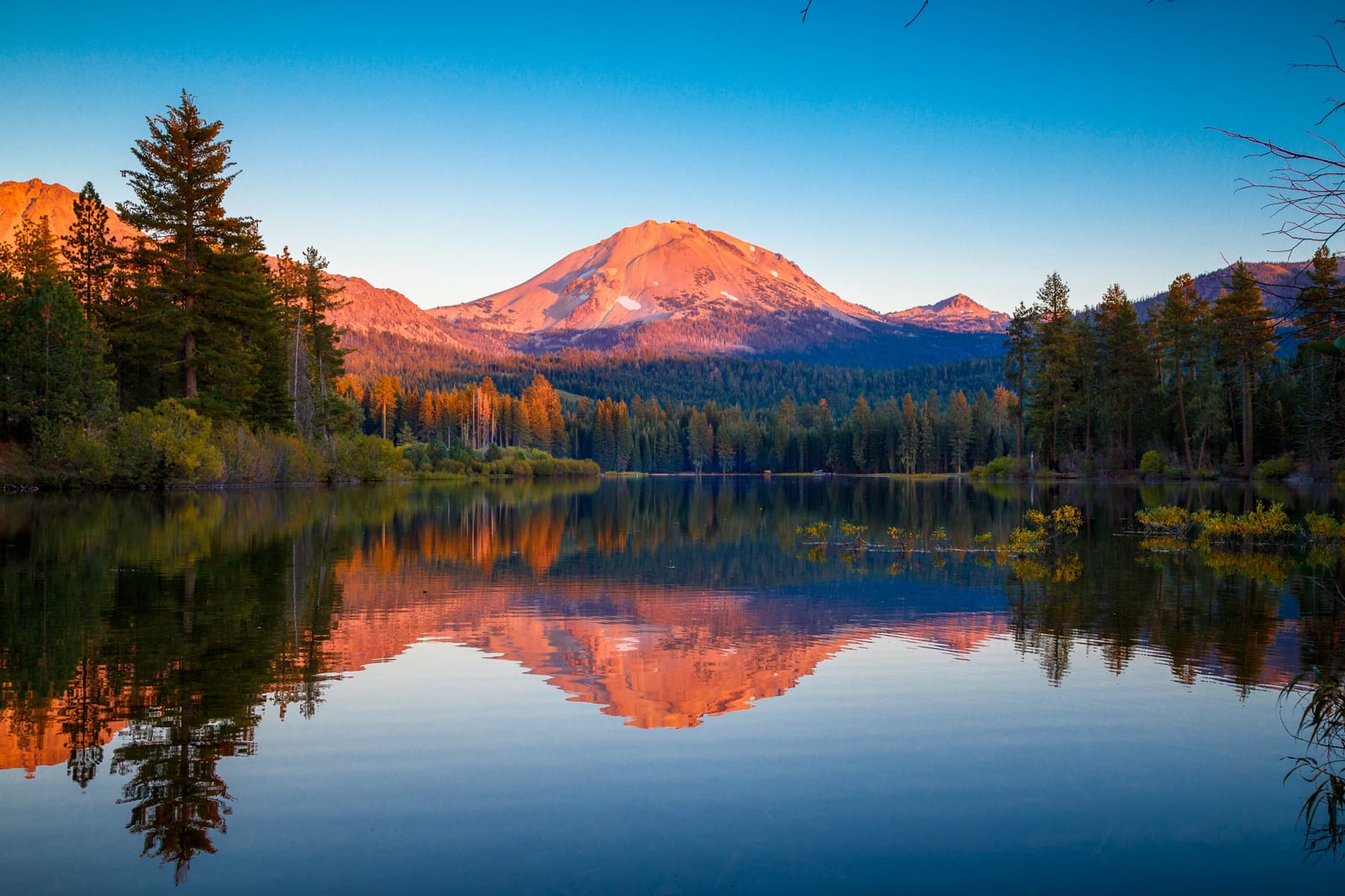
Lassen Peak
10,457 ft · California
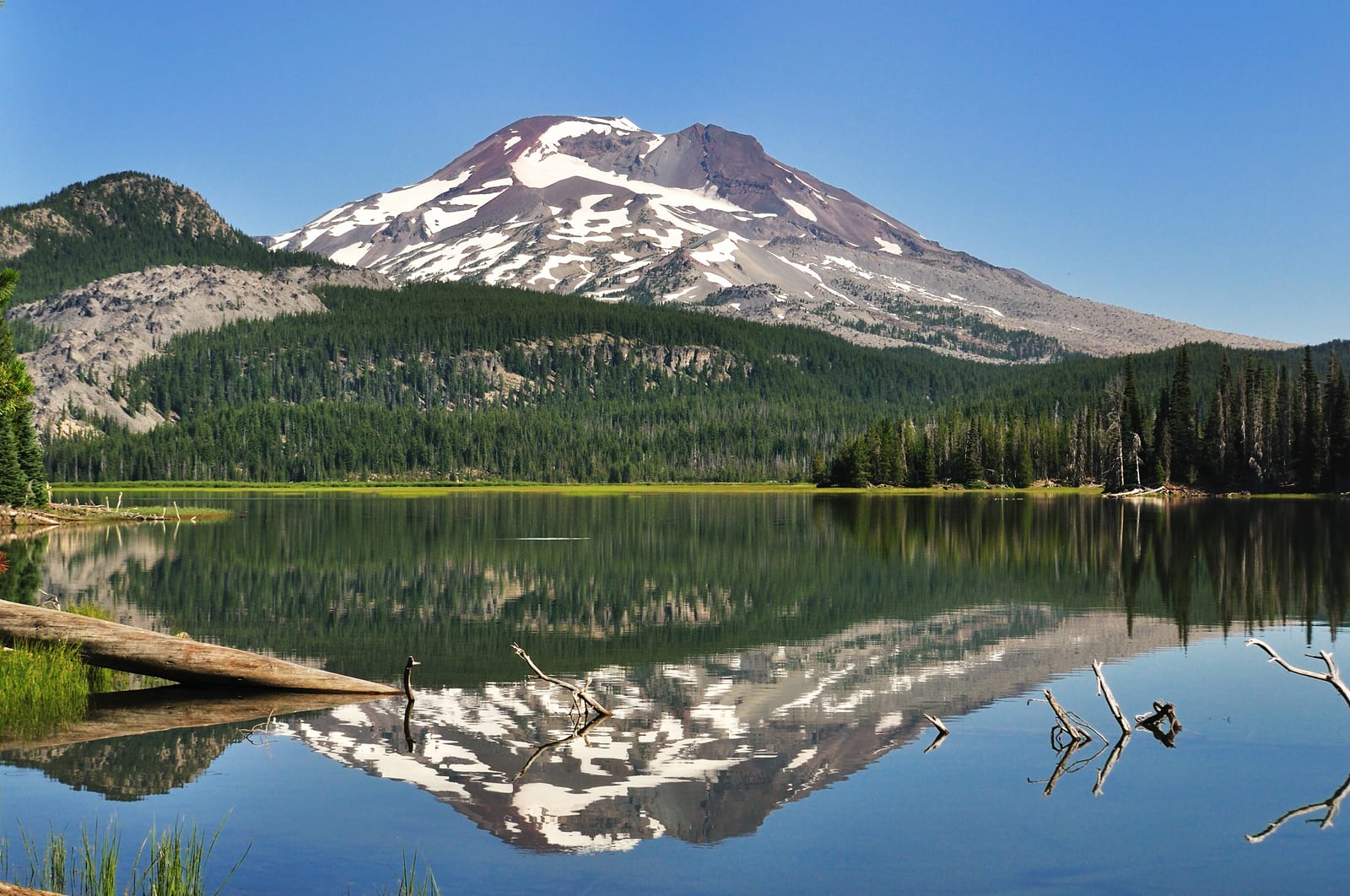
South Sister
10,358 ft · Oregon
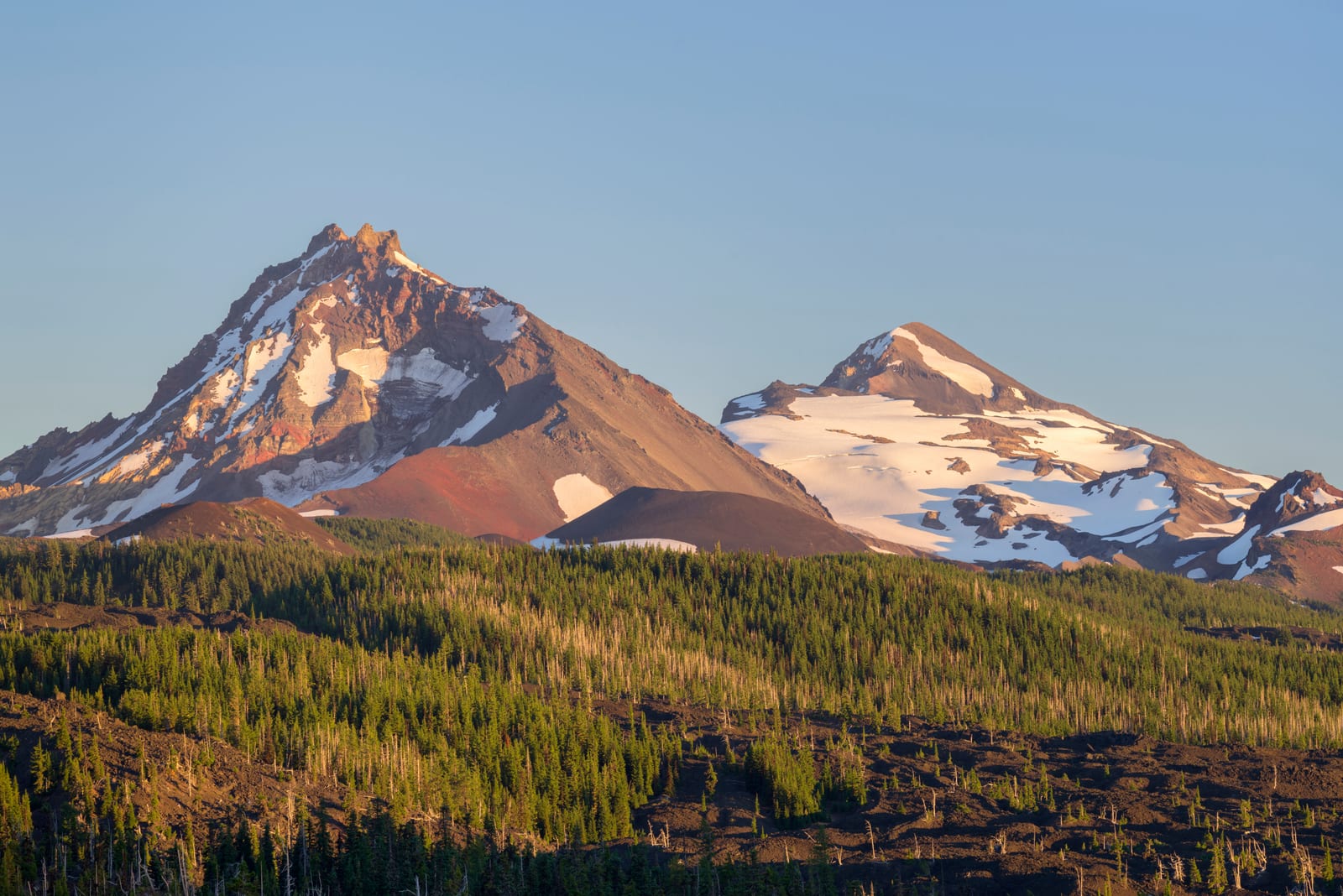
North Sister
10,085 ft · Oregon
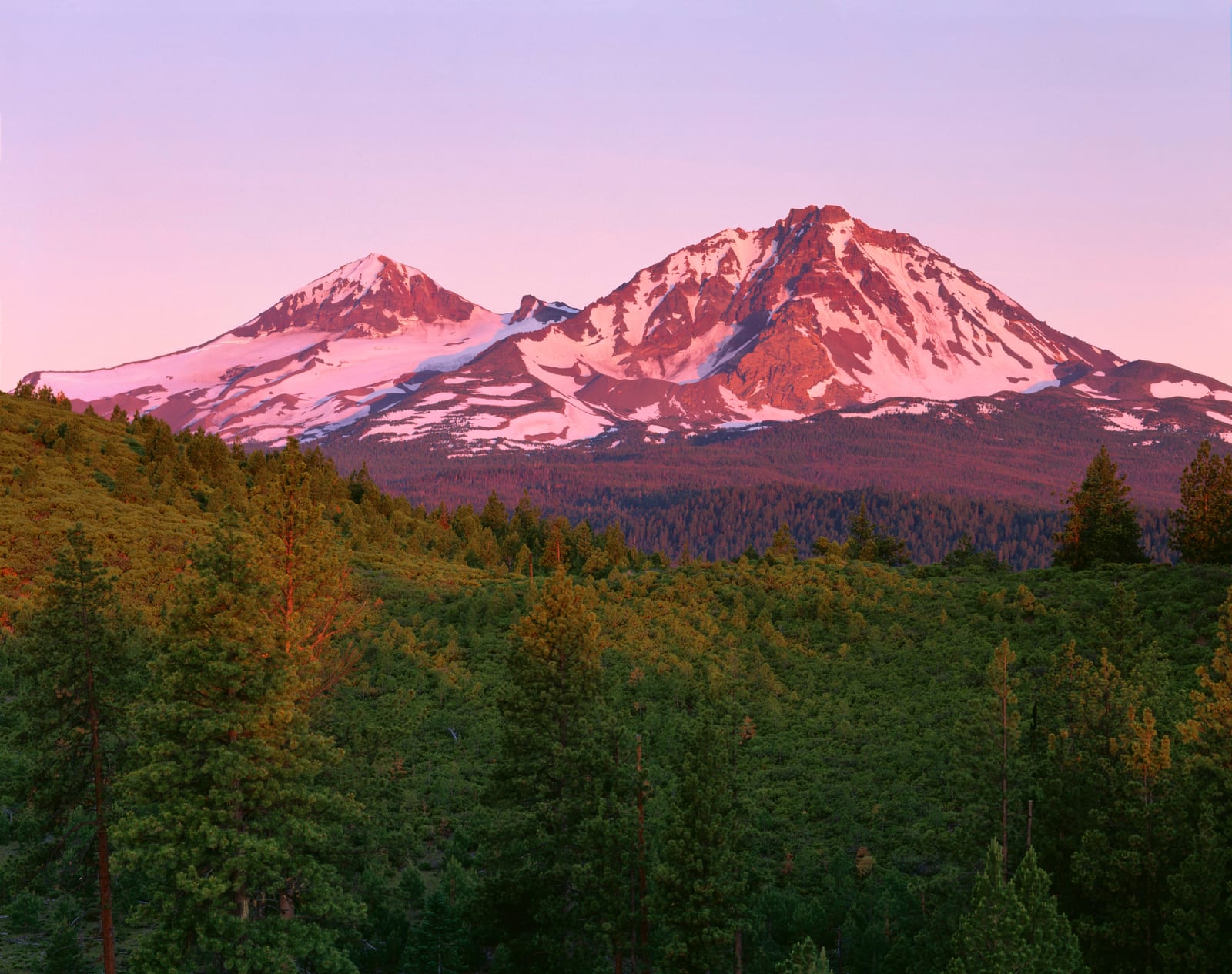
Middle Sister
10,047 ft · Oregon
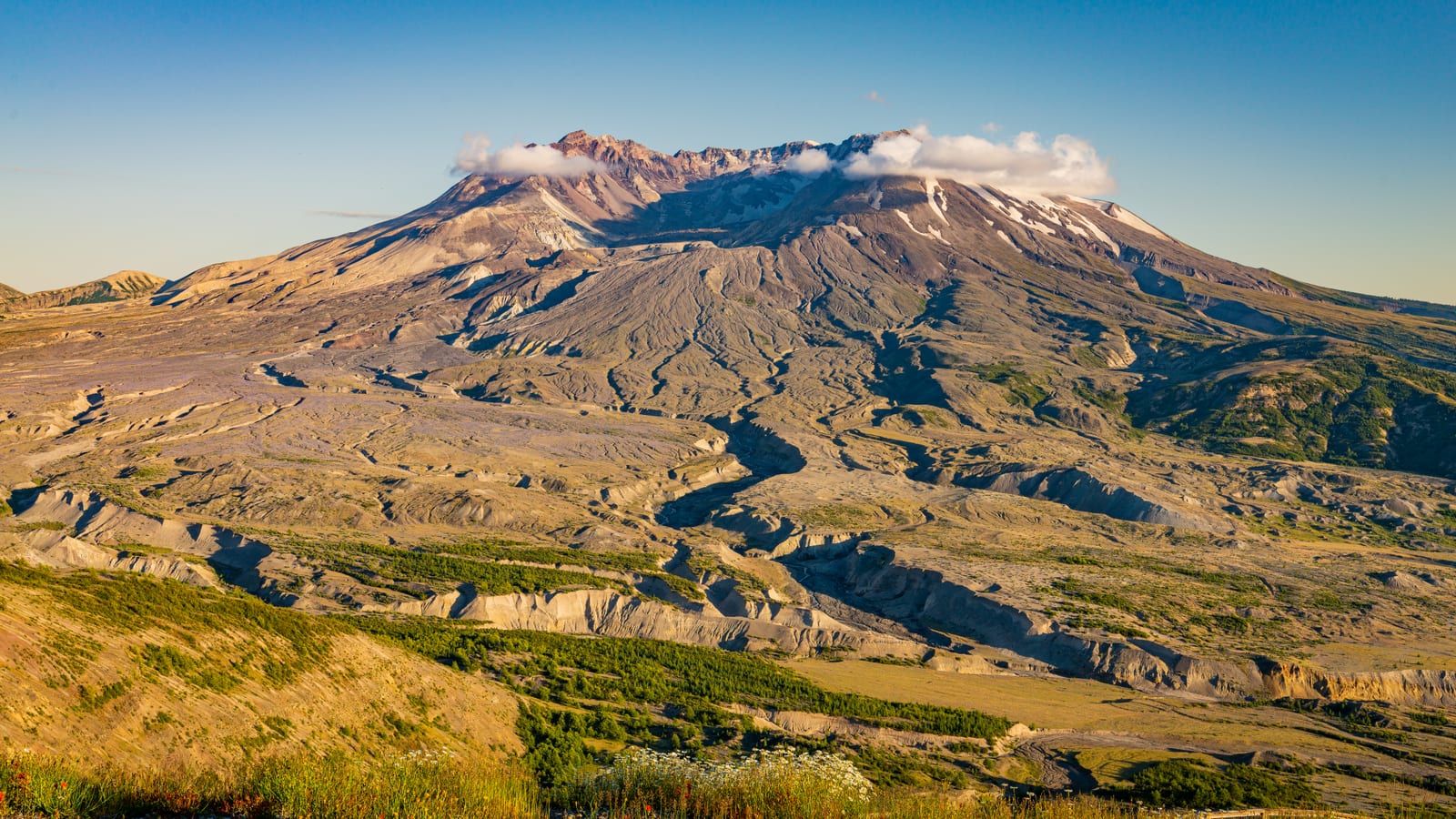
Mount St. Helens
8,363 ft · Washington
Climbing the volcanoes of the Cascades
The Cascade Volcanoes stand apart from the ranges around them, so each climb is its own trip, often separated by hours of driving. Many are glaciated and have climbing seasons shaped by snow conditions. Climbers usually add them one or two a year. Yak keeps the whole chain in one place so you can see your progress from Lassen to Baker.
Frequently asked questions
How many Cascade Volcanoes are there?
The Cascade Arc has nearly 20 major volcanoes. Climbing lists vary in which peaks they include, especially for lower and Canadian volcanoes.
What is the highest Cascade volcano?
Mount Rainier in Washington is the highest at 14,411 feet. Mount Shasta in California is second.
Where are the Cascade Volcanoes?
They run from southwestern British Columbia through Washington and Oregon into northern California. Lassen Peak is the southernmost major volcano in the chain.
Are the Cascade Volcanoes active?
Several are considered active. Mount St. Helens erupted in 1980, and Lassen Peak was active from 1914 to 1921.
Is there an official list of Cascade Volcanoes to climb?
No single organization defines the climbing list. Most versions include the major stratovolcanoes, with differences in how minor or subsidiary peaks are treated.
Is there an app to track the Cascade Volcanoes?
Yes. Yak: Mountain Tracker is a free app for iPhone and Android that includes the Cascade Volcanoes as a quest with all 12 peaks. Mark each peak as climbed, log the date with notes and photos, plan the peaks you have left and see how close you are to finishing the list.
Which Cascade volcano is the easiest to climb?
Lassen Peak has a maintained trail to the top. Mount St. Helens is also non-technical in summer, though climbers need a permit to go above treeline.
Which Cascade Volcanoes need glacier travel?
Mount Rainier, Mount Baker and Glacier Peak are the clearest examples. Their standard routes cross crevassed glaciers, so climbers rope up and carry crevasse rescue gear.
Track the Cascade Volcanoes
Log each volcano as you climb it and follow your progress along the arc.