Mount Rainier climbing permits and the Climbing Cost Recovery Fee
Climbing Rainier takes a fee paid online, a permit picked up in person and, in summer, a spot at a high camp. Here's how the pieces fit together and when each one opens
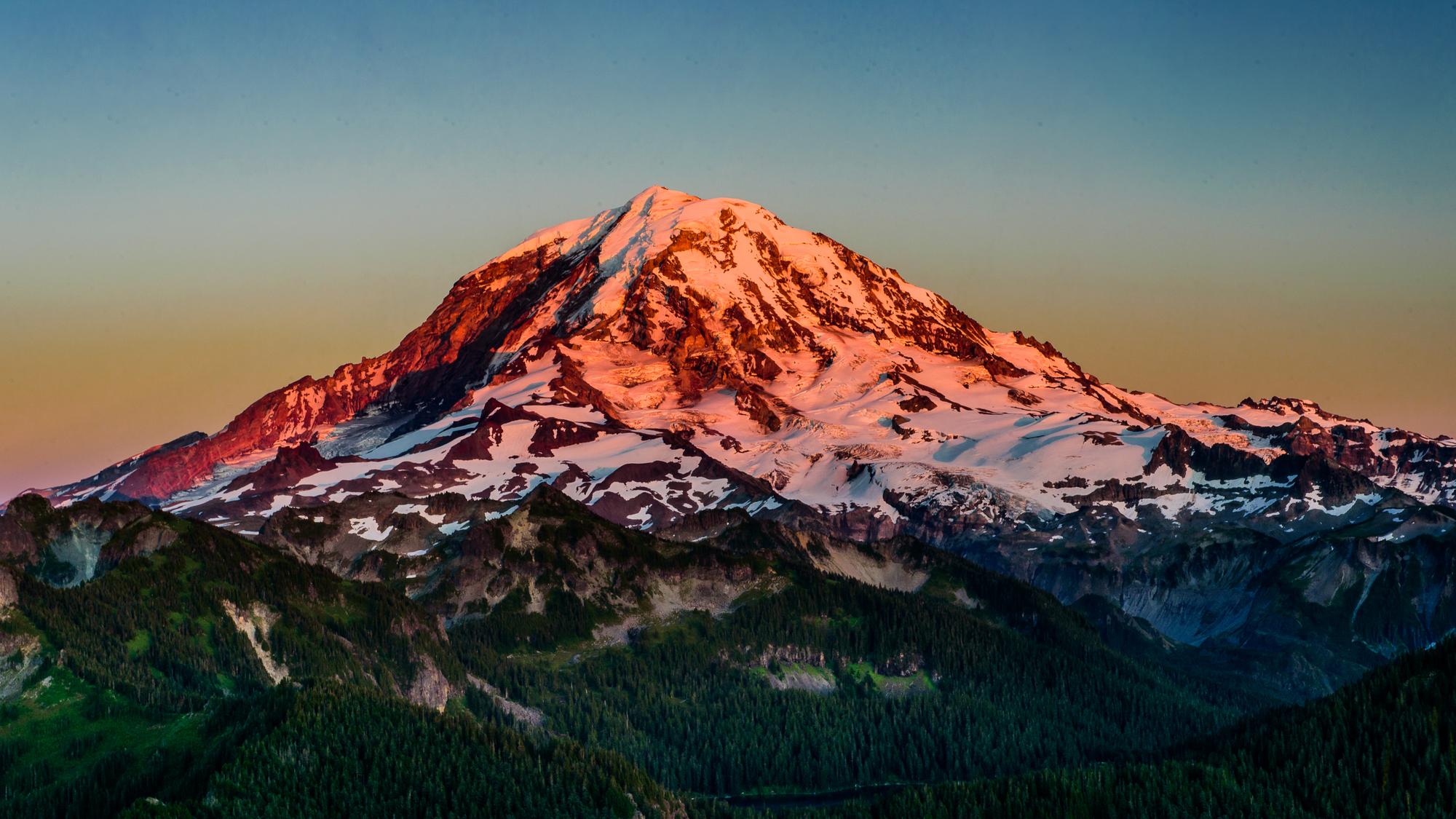
To climb Mount Rainier, every person in your party pays the Climbing Cost Recovery Fee ($82 per climb in 2026) online at Pay.gov, then your group registers in person at a ranger station in the park the day before or the day of the climb. You need that climbing permit to travel on any glacier or above the high camps at about 10,000 feet. Most climbers also need a wilderness permit for the nights on the mountain, which you can reserve on Recreation.gov from April 25 or pick up as a walk-up.
Those are the 2026 rules from Mount Rainier National Park. The fee follows the Consumer Price Index and the reservation dates are set each winter, so check the park's pages before planning next season.
- Climbing fee$82 a person (2026)
- Needed forGlaciers, or above ~10,000 ft
- Camping fee$12 a person a night (2026)
- Booking fee$6 a permit
- LotteryFeb to early Mar
- ReservationsFrom Apr 25
- SoloOnly with approval
What is the Climbing Cost Recovery Fee?
It's the per-person fee that pays for Rainier's climbing program, and you can't get a climbing permit without it. Park pages also call it the climbing fee or the climbing registration fee; it's the same charge. In 2026 it's $82 for each person on each climb, whatever their age. The park's climbing fee FAQ says it staffs the high camps and ranger stations, keeps rangers ready for rescues, and pays to haul human waste off the mountain.
A few details catch people:
- Pay before you arrive. It's paid only online at Pay.gov, by card, on the Mount Rainier "Special Use Permit Application Fees" form.
- It's per climb. Recreation.gov says you pay for each climb, so a May attempt and a June attempt mean paying twice.
- Bring ID that matches. Each climber shows the Pay.gov confirmation and a photo ID in the same name at registration. Receipts can't be shared.
When do you need a climbing permit on Mount Rainier?
You need one to set foot on a glacier or to go above the normal high camps, which sit around 10,000 feet. That rule comes from federal regulation (36 CFR 7.5), along with two others: you must be 18 or have a guardian's permission to apply, and you can't climb solo without specific approval.
Hiking to Camp Muir or Camp Schurman and turning around there doesn't need the climbing fee. If you camp there overnight, you need a wilderness permit, but not a climbing permit.
In summer the climbing permit is issued in person at a Wilderness Information Center, the day your climb starts or the day before. Disappointment Cleaver climbers usually register at Paradise and Emmons climbers at White River. In winter, when few people climb and the camps are empty, you self-register at a kiosk at the Paradise Old Station after paying online, and that card doubles as your wilderness permit.
Do you need a wilderness permit to climb Rainier?
Yes, in summer, even for a single push. The park uses wilderness permits to manage how many people are on each route, not only where they sleep. In 2026 it cost $12 per person per night (15 and under free) plus a $6 non-refundable Recreation.gov fee per permit, on top of the climbing fee.
About two-thirds of summer permits can be reserved ahead on Recreation.gov and one-third are held for walk-ups, issued no earlier than the day before. (The park's climbing page puts the walk-up share at the high camps closer to half.) For the climbing camps, reservations cover May 1 to the first federal holiday in October. Book at least two days before your start, and cancel four or more full days ahead for a refund minus the $6.
How does the Mount Rainier permit lottery work?
The lottery doesn't give you a permit. It gives you an earlier turn to book one. Applications for the early-access lottery open on Recreation.gov in February and close in early March; in 2025 they ran February 10 to March 3, with results on March 14. Winners get a specific date and time, from March 21 into April, when they can log in and make one reservation. Everyone else books whatever is left from April 25.
It exists mostly for the Wonderland Trail, but the park expects about a sixth of early-access requests to be climbs. From the wilderness permit FAQ:
- One reservation. Winners get a single booking during early access and can't change or replace it until April 25.
- Earlier is better. Each window is shared with a small group of other winners, and earlier windows have already picked. Have backup dates and camps.
- Applying costs $6, non-refundable, but winners don't pay a second reservation fee.
The park issues about 2,000 climbing permits a year. Friday nights and weekends fill first, and the park advises not counting on a walk-up.
How do you pick up a reserved permit?
The person named on the reservation activates it in person at a Wilderness Information Center, the day before or the day of the trip, with photo ID, an emergency contact and details of any car left overnight. Arrive by noon on your start day, or call ahead (360-569-6650); otherwise the park cancels the reservation and your spots go to walk-ups.
What are Camp Muir and Camp Schurman?
They're the two main high camps, one on each of Rainier's two most-climbed routes, each with a ranger hut, toilets and a nightly limit.
Camp Muir sits a little above 10,000 feet on the south side, about 4.5 miles and 4,680 feet above Paradise. The park's 2017 route brief caps it at 110 people a night, 66 of them reservable. Most climbers tent on the Cowlitz Glacier; the public shelter's 20 or so bunks can't be reserved. The Muir Snowfield below camp sees most of the route's rescues, because whiteouts make it easy to drift onto the glaciers either side.
Camp Schurman sits at about 9,500 feet on the northeast side, by the Emmons Glacier. The 2017 brief for that route gives it 48 people a night, about 30 reservable, with room for 24 more at Emmons Flat just above. On both routes, human waste goes out in blue bags from the ranger station unless you use a toilet.
Disappointment Cleaver or Emmons: which route?
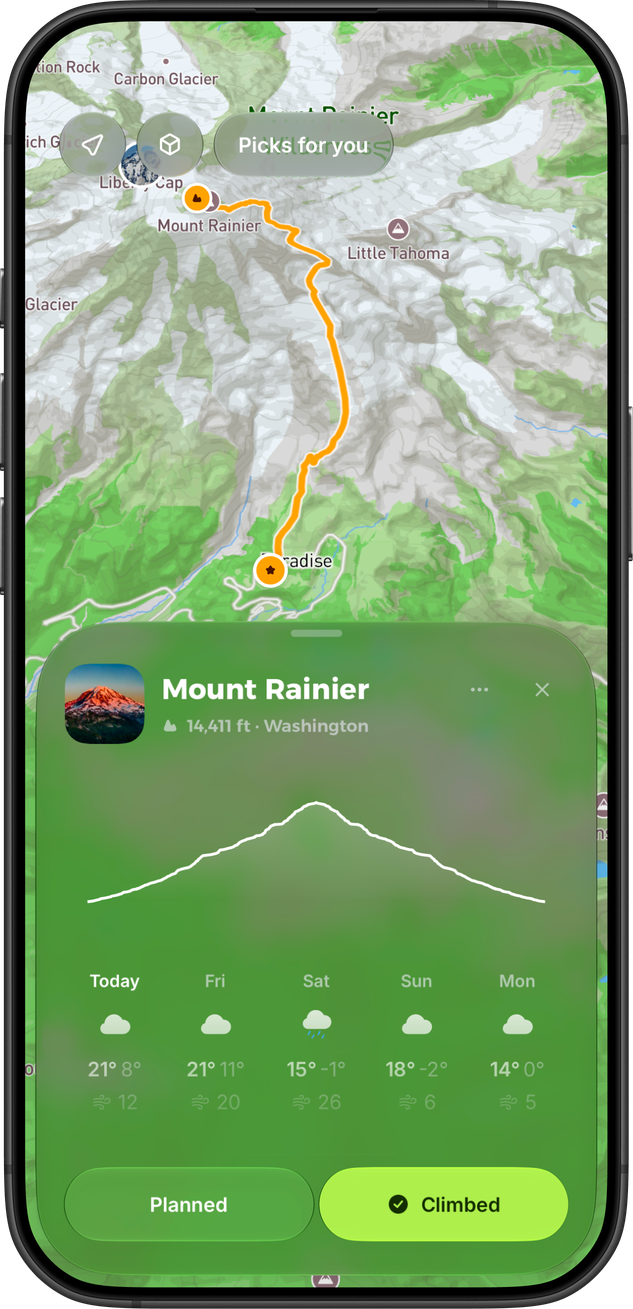
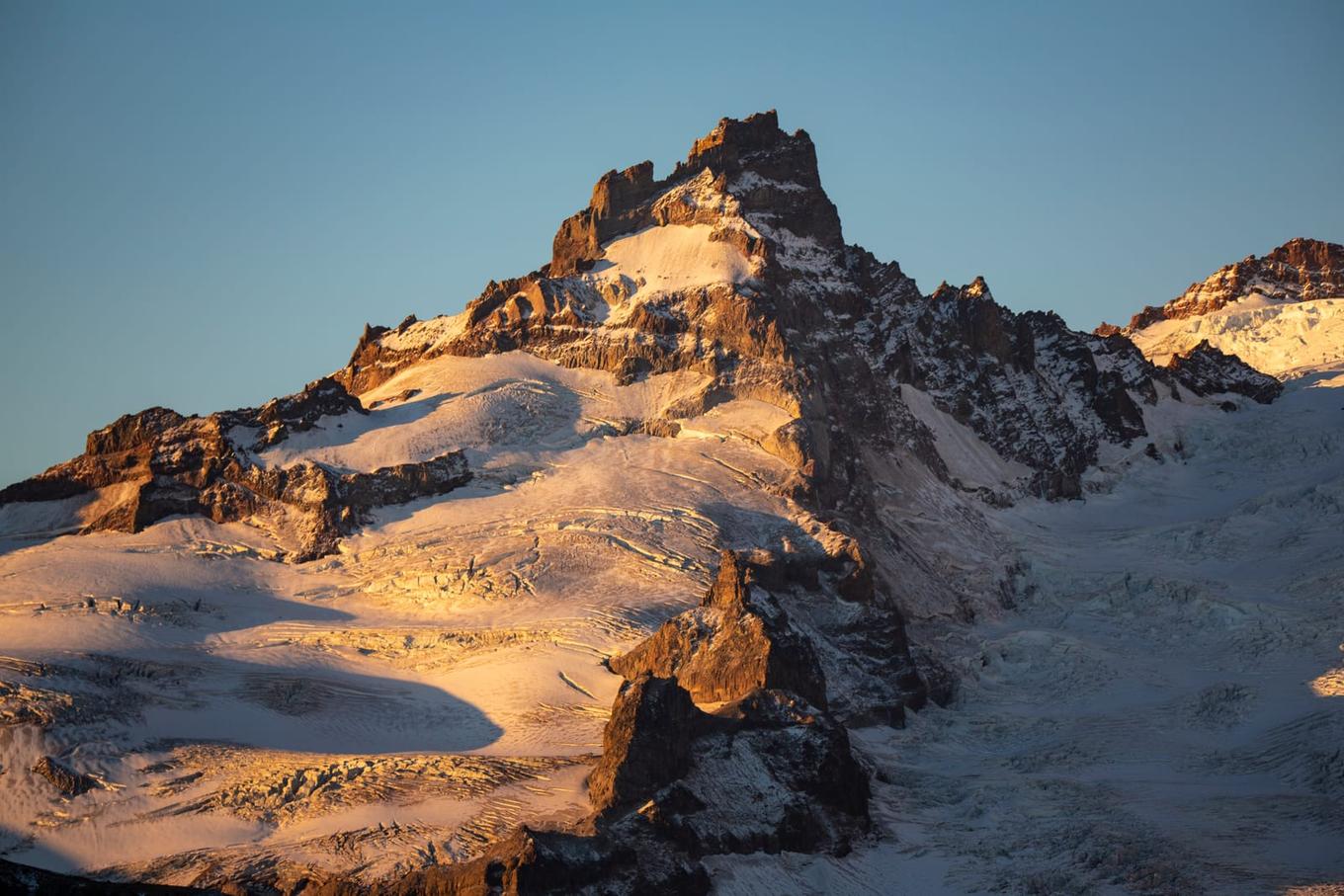
Most people climb the Disappointment Cleaver, about three-quarters of summit attempts by the park's count in its 2017 route brief. It starts at Paradise (5,420 feet), stops at Camp Muir, then crosses the Cowlitz Glacier to Ingraham Flats and climbs the rocky cleaver before glaciers lead to the crater rim. It's roughly 9,000 feet of gain over one to three days, and guide services keep it marked with wands and ladders through summer. You can see the route on our Mount Rainier page.
The Emmons-Winthrop starts lower, at White River Campground (4,200 feet), and gains about 10,300 feet via Glacier Basin, the Inter Glacier and Camp Schurman. The park calls it the "next step up": nobody maintains it, so there are no ladders or fixed lines and fewer tracks to follow. Its season runs from the late-May opening of the White River Road until crevasses open up, usually in August. On both routes, about half of climbers reach Columbia Crest, according to the park's 2017 route briefs.
Should you climb Rainier with a guide?
If you don't already have glacier travel and crevasse rescue skills, a guide is the usual way up. Three companies run most guided climbs: Alpine Ascents International, International Mountain Guides and Rainier Mountaineering, Inc., plus 15 single-trip services listed in the park's commercial use authorizations. Guided climbers pay the climbing fee too, and joining an unauthorized guided climb is illegal. The 2017 Emmons route brief says guiding there is generally weekdays only, leaving weekends to independent parties.
Can you climb Mount Rainier solo?
Only with written permission from the park. Regulations say a party must have at least two people above the high camps or anywhere on a glacier, unless the superintendent approves a solo climb.
A climbing ranger reviews each solo application, weighing your experience, route and expected conditions, usually within a week or two. About 200 people apply each year and fewer than half are approved. The park suggests first climbing Rainier as part of a team, or other heavily glaciated peaks like Mount Baker or Denali.
Do you also pay the park entrance fee?
Yes. In 2026 a private vehicle paid $30 for seven days, someone on foot or a bike $15, and a Mount Rainier annual pass cost $55; an America the Beautiful pass also works. Entrances are cashless, and there was no timed-entry reservation in 2026 (Fees & Passes).
Put together, two climbers with a reserved two-night trip to Camp Muir in 2026 paid $164 in climbing fees, $48 for the wilderness permit, $6 to Recreation.gov and $30 to drive in.
Other Cascade volcanoes
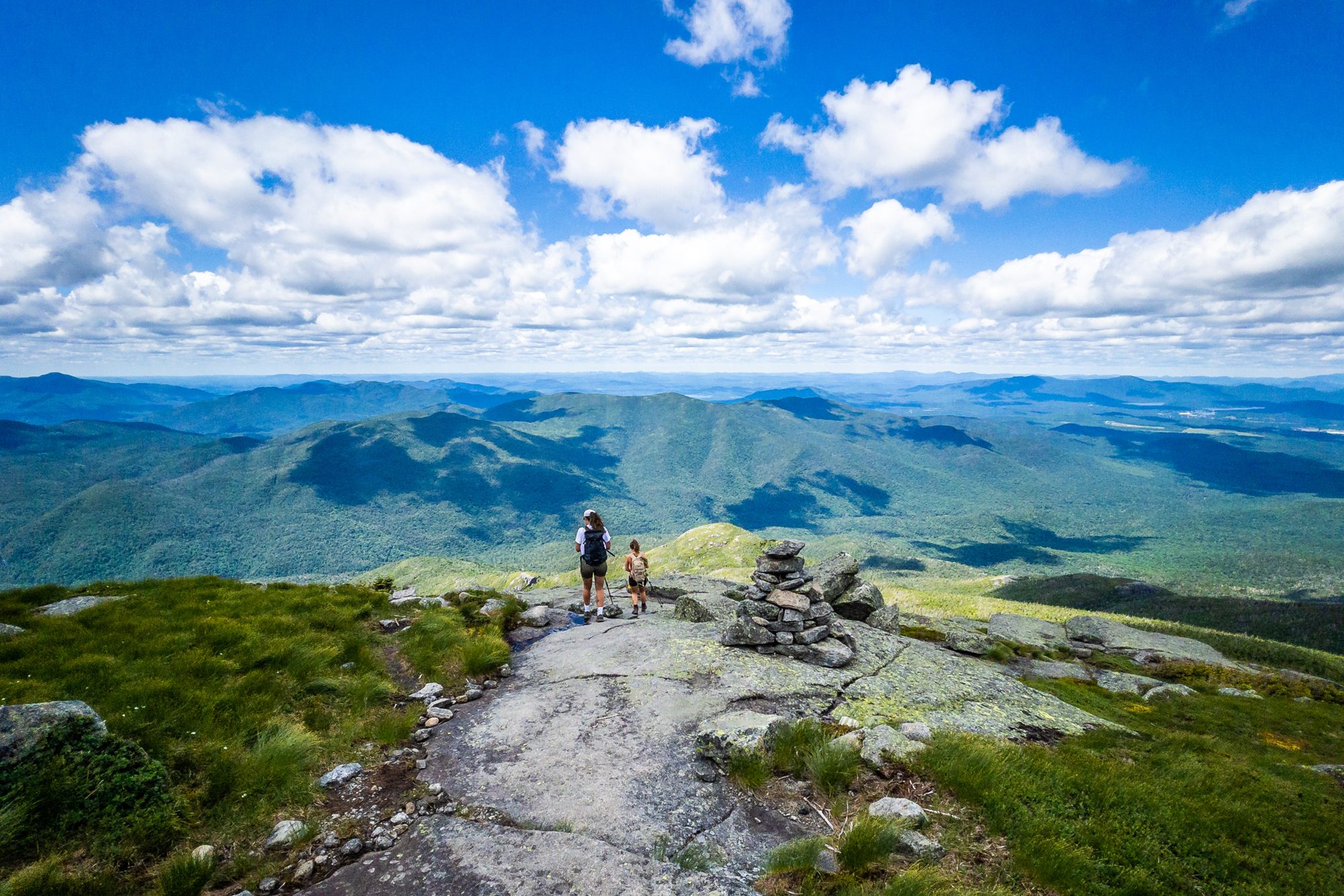
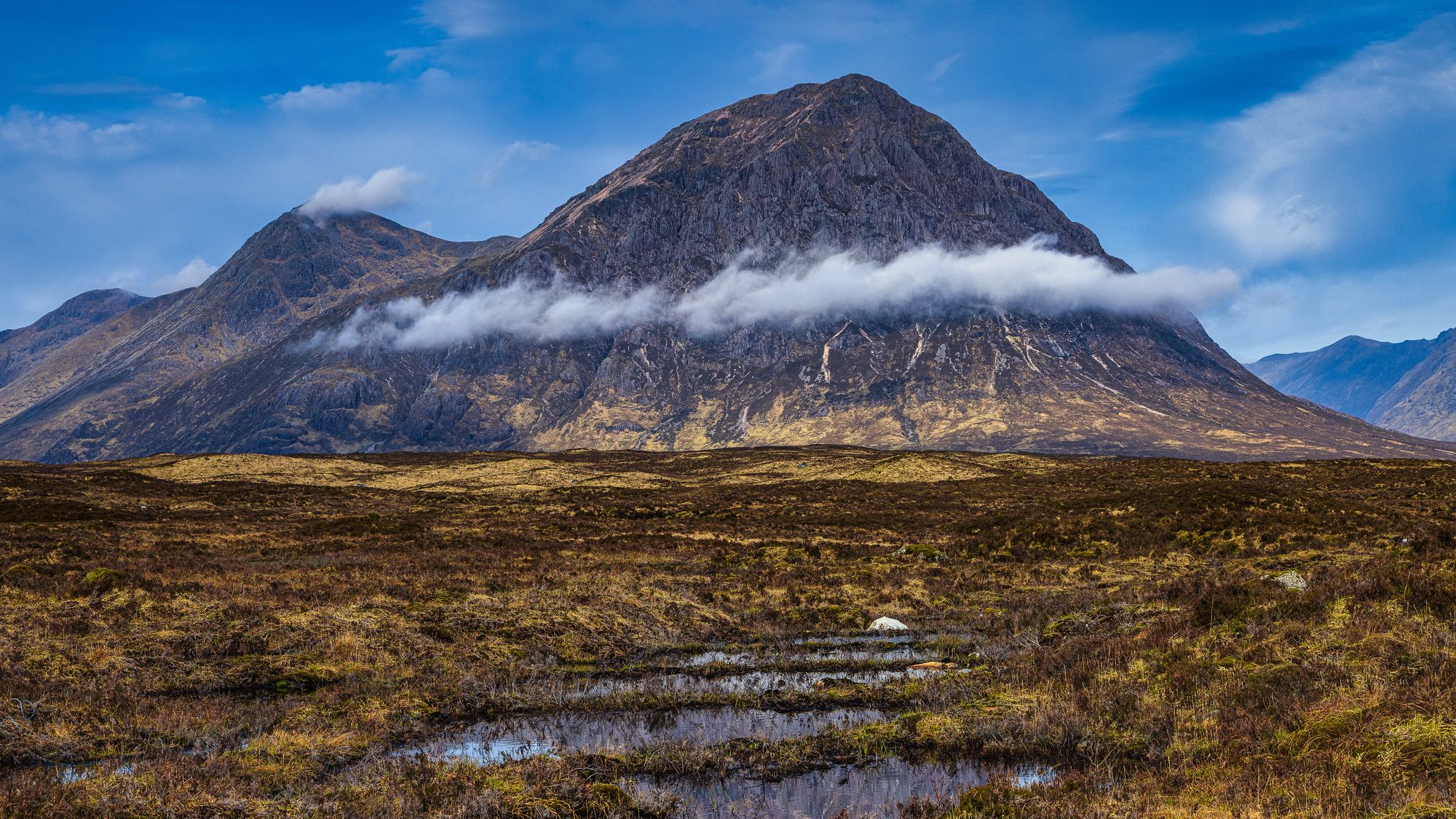
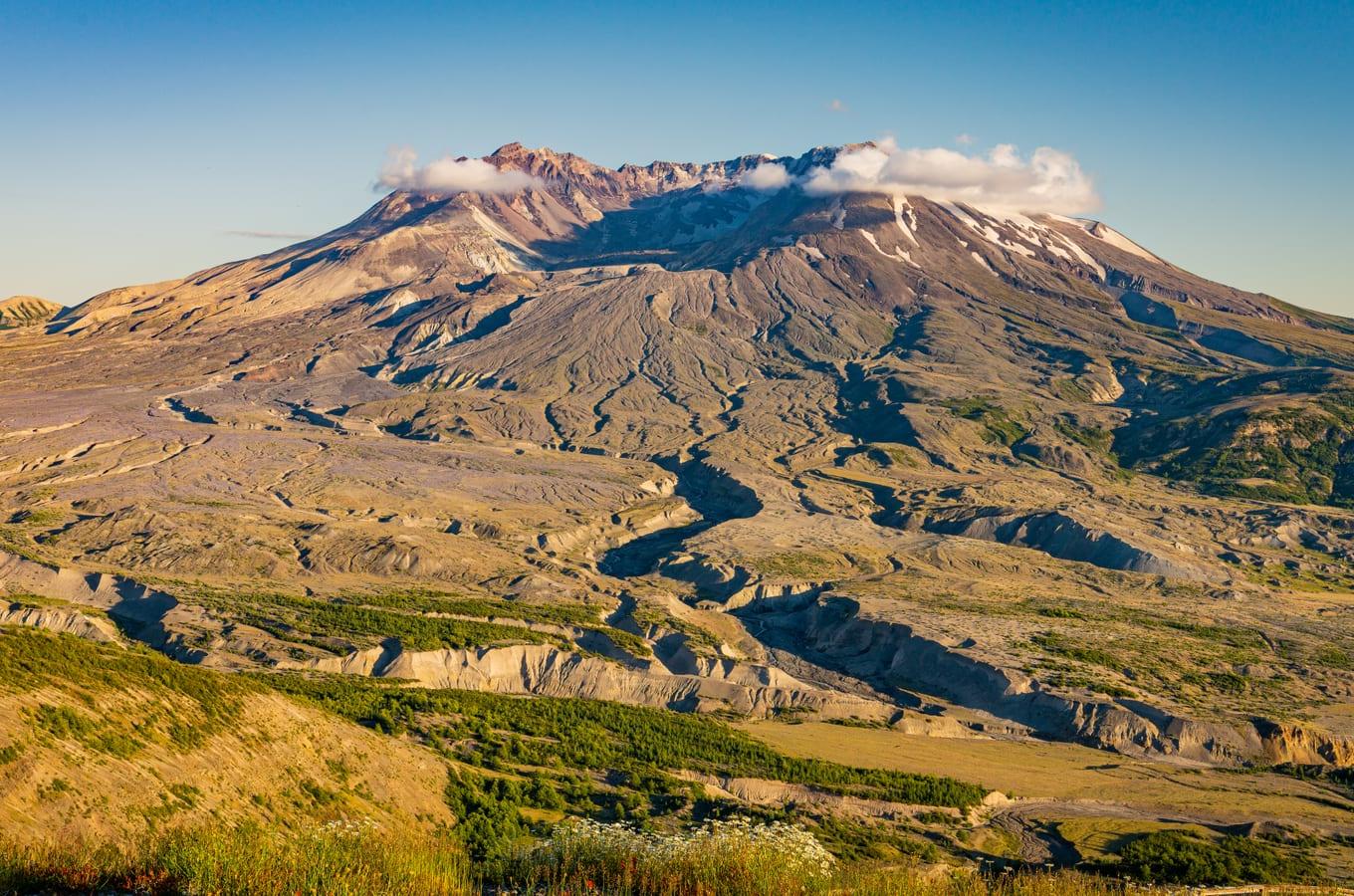
Rainier is the tallest of the Cascade Volcanoes, Washington's entry on the 50 State Highpoints, and the top of the Washington 100 Highest and the Lower 48 14ers. Its neighbors to the south work differently. Mount St. Helens needs its own climbing permit from the Forest Service (see our St. Helens permit guide), and Mount Hood, in a national forest in Oregon, has different rules again (climbing Mount Hood).
Keeping track of the climb
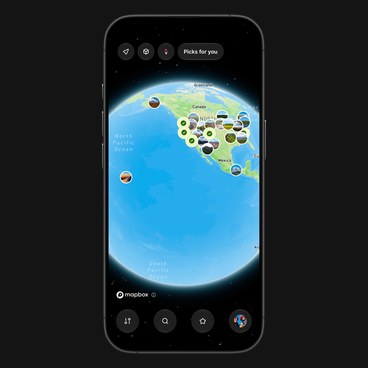
Yak is a free app for iPhone and Android that we built to keep lists like the Cascade Volcanoes in one place. Rainier's page shows the standard route on a topo map with its elevation profile, the hazards to expect and trip reports from other climbers, plus a 5-day forecast for the trailhead, mid-mountain and summit with wind and freezing level. When you're back, log the climb with the date, notes, photos and conditions.